

Following several major incidents in recent years, safety has become an increasingly important topic in major international cycling races. This can be seen in the growing use of Boplan safety barriers and stricter inspections by the UCI.
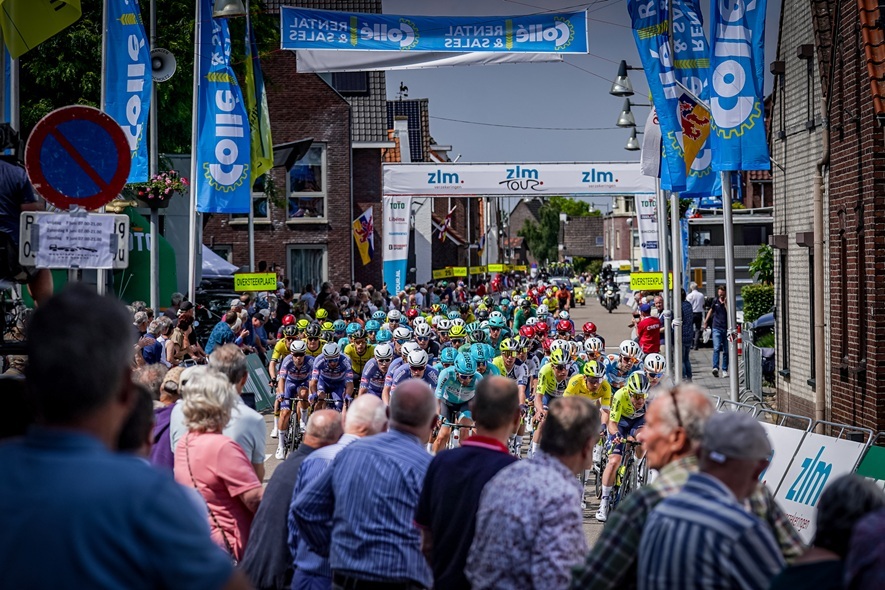
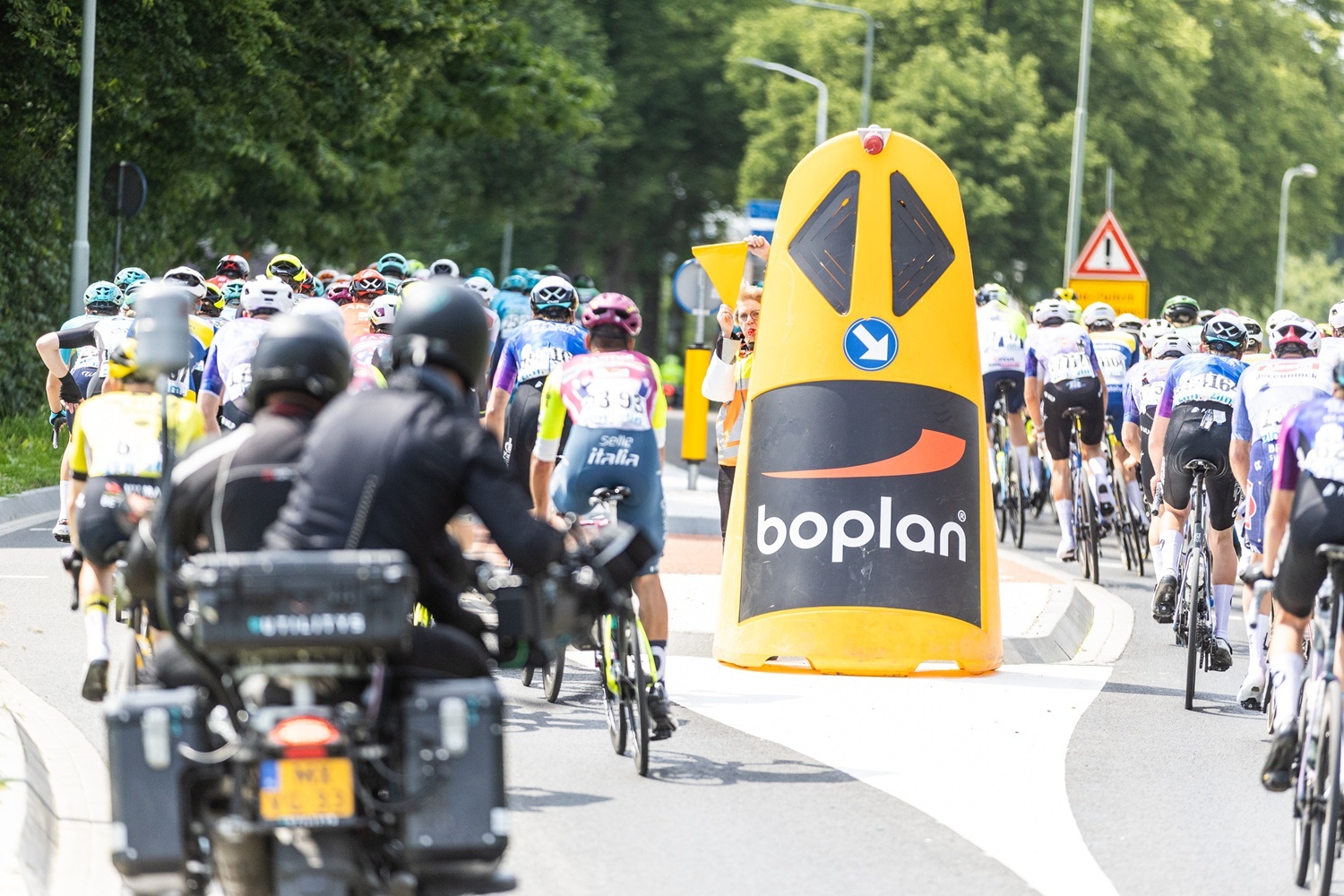
As one of the larger cycling races in the Netherlands, the ZLM Tour is fully committed to creating a safer race for everyone. Throughout the entire process, from start to finish, a number of steps are taken to help guarantee safety.
“It is an extensive process,” explains Eelco Frankaert, General Manager of the ZLM Tour. “You start by determining the start and finish locations, and then you look at which route can be used.”
Safety already plays an important role when the route is being designed. “We always prefer to finish with a local circuit of 10 to 15 kilometres,” Eelco says. According to him, this offers several important advantages. “It means the riders cross the finish line before the final lap. They can see what the finishing area looks like and prepare for the following laps. Of course, it is also great for the fans, as they can see the riders pass several times from the same location.”
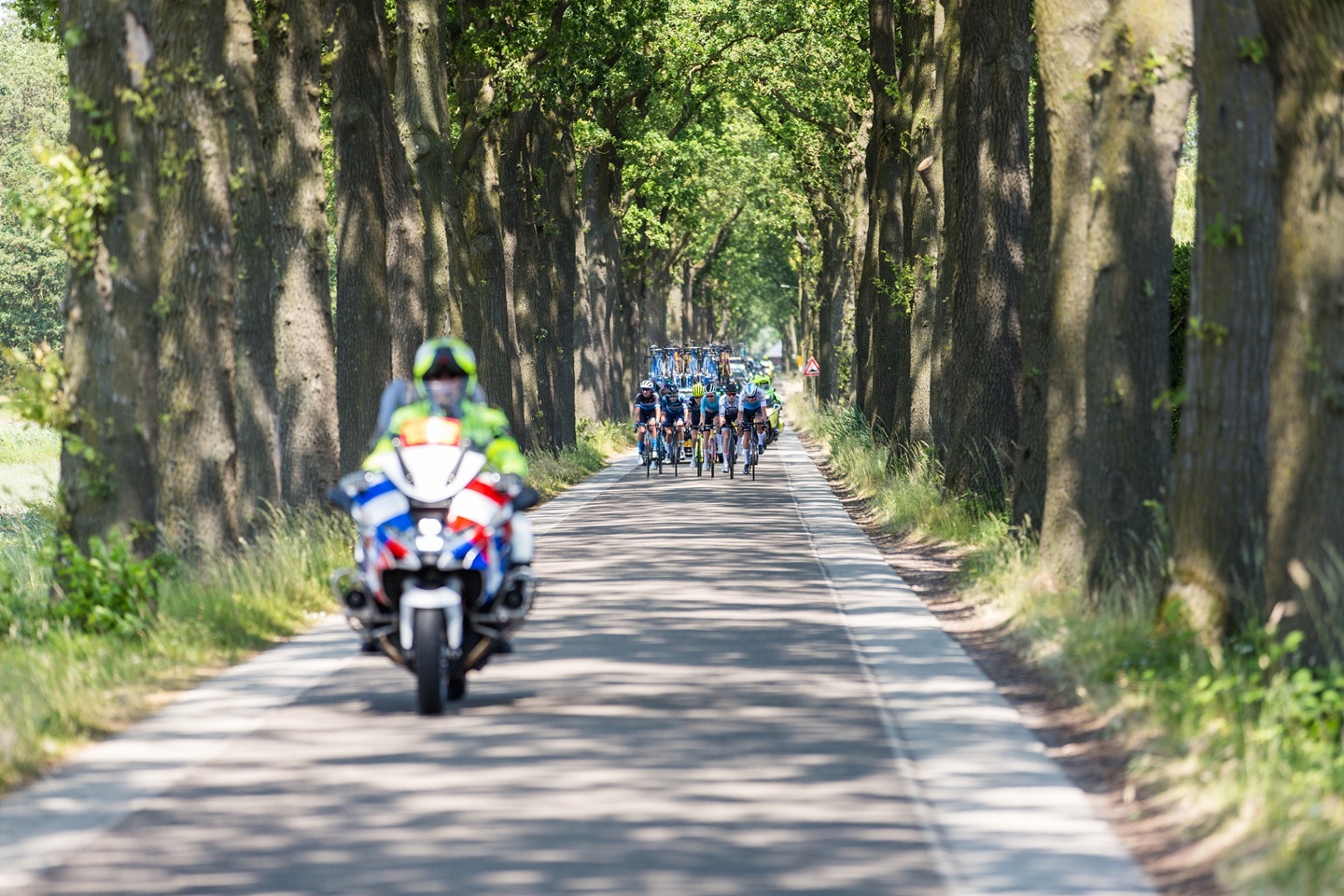
To help ensure safety during the race, the organisation aims to use roads with as little traffic as possible.
“The Netherlands has developed a reputation for having more and more street furniture,” Eelco explains. “We try to avoid it as much as possible, although that is not always possible. That is why Boplan is the ideal partner for us.”
Boplan’s equipment allows hazardous points, such as street furniture, to be clearly marked and properly protected for the riders. During the upcoming edition, even more Boplan equipment will be used than in previous years: the organisation will deploy twice as much safety material.
A new safety measure this year is the use of VeloViewer. This allows all teams to study the route digitally in advance and identify potentially dangerous points before the race.
The organisation also consults with teams and sports directors. “Our race director is a former professional rider and has been closely involved in designing the routes, using his experience and understanding of racing.”
Finishes can be particularly dangerous. To guarantee a safe finish, the organisation has set three conditions and works closely with the municipalities involved.
“We always require the final kilometre to be free of street furniture. In addition, the final 300 metres must be completely straight, and the road must be at least six metres wide.”